All recipes
Filter recipes by category, time, difficulty, source, ingredient, and situation tag.
All times
All difficulties
Search results
128 recipes found.
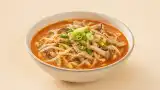
Kim Jin-soon's Spicy Kongnamul Gukbap
A spicy kongnamul gukbap made by stir-frying pork neck in seasoning, simmering to create a rich broth, and seasoning with soybean sprouts and saeujeot.
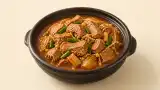
Solo Cooking God's Busan-Style Pork Neck Stew
A rich and deeply flavorful stew combining the hearty taste of pork neck, savory anchovy sauce, fermented soybean paste, and the refreshing crispness of mung bean sprouts.

Ttukdak Hyung's Cubed Pork Neck Grill
A grilling technique that sears the marbled pork neck, rich in both lean meat and fat, to create a Maillard reaction, then cuts it into cubes to trap the juices.
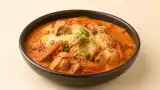
Ttukdak Hyung's Cream Kimchi Jjim
A unique kimchi jjim that maximizes savory and soft flavors by adding fresh cream to kimchi jjim made by grilling thick pork neck and aged kimchi.
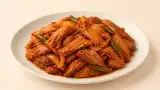
Ttukdak Hyung's Pulled Pork Jeyuk
A unique pulled pork-style jeyuk bokkeum that boasts a melt-in-your-mouth tender texture, achieved by sous-vide cooking for 24 hours using a rice cooker's keep-warm function.

YOOXICMAN's Pork Ribs Fried
A famous Busan Gwangtong Market specialty dish made by scoring thick pork neck meat, marinating it in sweet-savory ribs seasoning, and deep-frying until crispy using affordable pork neck meat.

Seonkyoung Longest's Pork Bulgogi Rice Bowl
A simple rice bowl dish made by grilling pork neck marinated in a sweet and savory sauce until golden and placing it over rice.
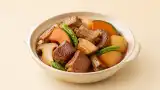
Kim Ho-yoon's Braised Pork Ribs
An elegant braised pork rib dish with deep, refined flavors, made by adding spices and a special sauce to seared pork and radish.

Solo Cooking God's Pork Neck Fillet with Chinese Cabbage Rice Bowl
A rice bowl featuring thick, golden-brown seared pork neck fillet, fragrant whole garlic, and crisp Chinese cabbage stir-fried in a savory Chinese-style sauce
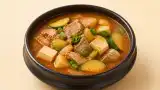
Kim Jin-soon's Pork Doenjang Jjigae
A doenjang jjigae with the Maillard flavor of seared pork neck and stir-fried doenjang, giving it a rich, savory taste like gamjatang
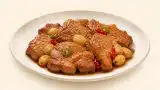
This Man's Cook's Pork Neck Braised in Soy Sauce
Pork neck pounded and coated with potato starch, grilled until golden and juicy, then quickly simmered over high heat with a homemade soy sauce featuring yuzu paste for a refreshing sweet-savory flavor—this is a standout meat dish.
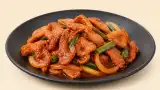
Aha Bujang's Aged Spicy Stir-Fried Pork
A traditional pork bulbaek-style spicy stir-fried pork, where the meat and vegetables are marinated together and then stir-fried with water to keep it moist and tender.