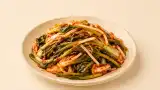
30 minDifficulty Normalside dishMain ingredients π₯©napa cabbageminaricarrotdried red chili pepperfermented sand lance saucesaeujeot (Korean salted fermented shrimp)glutinous rice pasteminced garlicminced gingerTags π·οΈbroth dishside dishunique dish
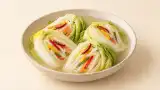
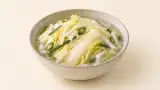
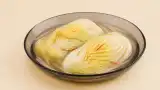
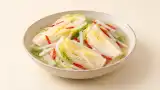
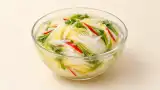
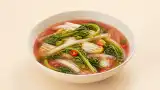
Detailed recipeQuick recipeIngredients needed π8 servingssalted napa cabbage 750gminari 50gcarrot 50gdried red chili pepper 3bottled water 800mlpear drink 4 tbspfermented sand lance sauce 1.5 tbspsalt 1 tspglutinous rice paste 1.5 tbspsaeujeot (Korean salted fermented shrimp) 2 tspminced garlic 2 tbspminced ginger 1 tspNew Sugar 0.5 tspMiwon (Korean MSG seasoning) a pinchRecipe π³Cut the minari and carrot into 5cm-long matchsticks. Using scissors, cut the dried red chili pepper into thin thread-like strips and set aside.In a bowl, combine 800ml bottled water, 4 tbsp pear drink, 1.5 tbsp fermented sand lance sauce, 1 tsp salt, 1.5 tbsp glutinous rice paste, 2 tsp saeujeot, 0.5 tsp New Sugar, 2 tbsp minced garlic, 1 tsp minced ginger, and a pinch of Miwon. Mix well to make the broth.Place some of the prepared carrot, minari, and dried red chili pepper on the bottom of a kimchi container. Layer the salted napa cabbage leaves in order, placing the remaining vegetables between the layers.Strain the prepared kimchi broth through a fine sieve and pour it over the cabbage until it is just submerged.Close the container lid and let it ferment in a cool place or on a veranda for about 8 days. Once properly fermented, transfer to the refrigerator and enjoy chilled.Cut the vegetable additions into matchsticks and mix the pear drink with seasonings to make the kimchi broth.Layer the salted napa cabbage and vegetables in a container, then strain the broth and pour it over.Ferment in a cool place for about 8 days, then store in the refrigerator and serve.Cooking tips π‘Straining the broth through a sieve before pouring makes the final kimchi broth much clearer and cleaner.Using pear drink instead of grating fresh pear easily provides consistent sweetness and flavor.Adjust the fermentation time according to the season and temperature; it is best to start refrigerating when a slightly sour aroma develops.Recommended for πβThose who want to make non-spicy, refreshing white kimchi at home.βThose who want a clean kimchi broth that pairs well with meat dishes or noodle dishes.