All recipes
Filter recipes by category, time, difficulty, source, ingredient, and situation tag.
All times
All difficulties
Search results
42 recipes found.
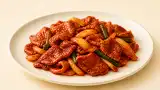
Kim Jin-soon's Jeyuk Bokkeum
A hit restaurant-style jeyuk bokkeum that first browns the pork to eliminate any off-flavors, then stir-fries it intensely with a golden-ratio all-purpose sauce.
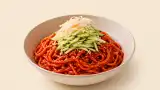
Aha Bujang's Jjolmyeon
Anseong-style jjolmyeon mixed thick and spicy-sweet without excess moisture
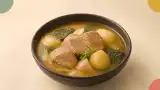
Baek Jong-won's Pork and Potato Stew (Gamjatang) without Pork Backbone
A recipe that recreates the taste of a gamjatang specialty restaurant by simmering pork hind leg, which is easier to find than pork backbone, for a deep flavor, and adding perilla seed powder and perilla leaves.
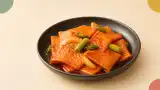
Baek Jong-won's Spicy Eomuk
A spicy eomuk with a simple golden ratio of water, gochujang, sugar, and soy sauce, enhanced with the refreshing taste of green onions and cheongyang peppers, easily recreating the street stall flavor at home.
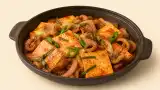
Ttukdak Hyung's Beef Brisket and Tofu Duruchigi
A dish where beef brisket is grilled, and then tofu is pan-fried until golden brown in the savory rendered fat, before being simmered in a spicy and salty sauce.
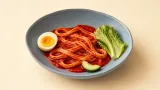
Yoon Yi-ryeon's Bibim Guksu
A flavor-packed bibim guksu easily mixed with a sweet and tangy sauce.
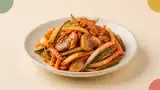
Baek Jong-won's Spicy and Sour Golbaengi Muchim
A spicy and sour golbaengi muchim recipe by Baek Jong-won, maximizing umami by soaking dried pollack in the golbaengi broth, then lightly tossing with fresh vegetables and a golden-ratio sauce.

Okjubu's Instant Gochu Beomuri
A quick side dish made by reducing the spiciness of peppers in vinegar water, then tossing them in a sweet and spicy sauce to keep them crunchy.
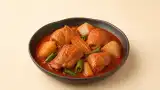
Hong Shin-ae's Dakbokkeumtang
A spicy and deep-flavored dakbokkeumtang that adds chewy texture and natural sweetness with dried sweet potato strips and a refreshing touch with radish.
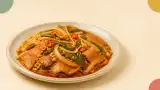
Baek Jong-won's Kongnamul Bulgogi
A best value-for-money dish for entertaining guests, simmered with only the moisture from bean sprouts, creating a crunchy texture and a spicy-sweet harmony with thinly sliced pork belly.
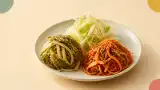
Baek Jong-won's Three Types of Scallion Salad
The perfect partner for samgyeopsal! Three types of scallion salad recipes with a clean salt base, a savory soy sauce base, and a crunchy chili paste base – choose your favorite.
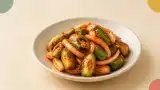
Ttukdak Hyung's Marinated Oi-Gochu
A super simple summer side dish made by marinating crisp oi-gochu, onion, and deseeded cucumber with fish sauce, then mixing it thoroughly with a sweet and tangy special gochujang sauce.