All recipes
Filter recipes by category, time, difficulty, source, ingredient, and situation tag.
All times
All difficulties
Search results
26 recipes found.
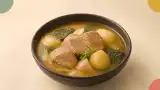
Baek Jong-won's Pork and Potato Stew (Gamjatang) without Pork Backbone
A recipe that recreates the taste of a gamjatang specialty restaurant by simmering pork hind leg, which is easier to find than pork backbone, for a deep flavor, and adding perilla seed powder and perilla leaves.
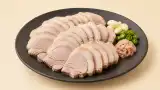
Baek Jong-won's Pork Leg Bossam
A cost-effective bossam recipe that transforms cheap and tough pork leg meat into a tender texture comparable to pork belly by simmering it for two and a half hours.
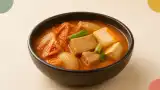
Solo Cooking God's Kimchi Jjigae
A fail-proof kimchi jjigae that reproduces the deep flavor of old-school restaurants without bone broth by stir-frying with a little doenjang for a long time without water.

Baek Jong-won's All-Purpose Ramen Seasoning Paste
A versatile seasoning paste that adds the savory depth of doenjang and the rich aroma of scallion oil, perfect for ramen, stews, and more.
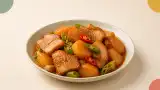
Ttukdak Hyung's Braised Pork and Potatoes
A magical upgraded military dish where pork belly and potatoes are first stir-fried in their own fat, then simmered in a special sauce made from a mix of gochujang and doenjang.
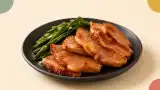
Solo Cooking God's Doenjang Samgyeopsal Gui
Savory doenjang-marinated pork belly, grilled without burning by adding a little water, delivering a rich, fire-kissed flavor—a modern take on maekjeok gui.
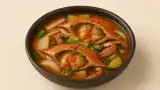
Baek Jong-won's Blue Crab Hangover Soup
A hangover soup made with blue crabs, maximizing their refreshing and sweet flavor with plenty of radish and a doenjang base, which becomes richer the longer it's simmered.
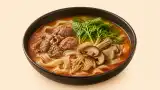
Seonkyoung Longest's Deungchon-Style Spicy Mushroom Kalguksu Shabu-Shabu
A Deungchon-style hot pot where a spicy seasoning is dissolved in anchovy-kelp broth, mushrooms, minari, and beef are enjoyed as shabu-shabu, followed by kalguksu noodles and fried rice.
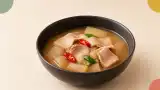
Baek Jong-won's Bibim-style Doenjang Jjigae (Rice-Stealing Life Doenjang Stew)
A rice-stealing, life-changing doenjang jjigae made by stir-frying thinly sliced radish and doenjang in pork belly fat until it's reduced to a thick stew.
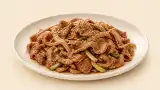
Solo Cooking God's Soy Sauce Pork Bulgogi
A driver's restaurant-style pork bulbaek (soy sauce pork) that's cooked with water instead of marinating, resulting in tender, burn-free meat.
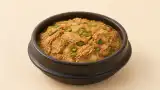
Solo Cooking God's Tuna Gang-doenjang-jjigae
A rice-stealing gang-doenjang-jjigae that skips the fuss of stir-frying by combining vegetables and seasonings in an earthenware pot, simmering, then finishing with a can of tuna and perilla oil for extra richness.
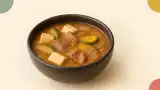
Baek Jong-won's Restaurant-Style Chadol Doenjang Jjigae
A hearty and savory doenjang jjigae, restaurant-style, made by first searing beef brisket to render its fat, then adding a touch of gochujang for a rich and nutty flavor.