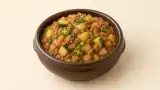
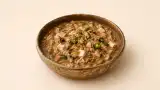
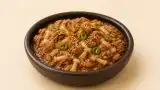
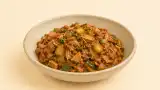
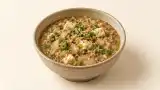
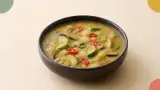
Lim Sung-geun's Gooey Goopy Soybean Paste
A restaurant-style ssamjang-style fermented soybean paste with rich umami and a smooth, non-salty taste, made by blending leftover rice or tofu for a creamy texture.
🙋 Recommended for
- ⭐ Those looking to use up leftover rice or tofu at home and create a unique, delicious side dish.
- ⭐ People who want a restaurant-style ssamjang that delivers bold umami without being overly salty.
재래된장gochujangDashida seasoning중간 고춧가루백물엿Miwon seasoningsesame oilminced garlicinstant rice
Ingredients needed 🛒3 servings
- traditional soybean paste 90g
- gochujang 10g
- dashi powder 4g
- sugar 4g
- medium chili powder 3g
- white malt syrup 10g
- monosodium glutamate 3g
- sesame oil 9g
- minced garlic 10g
- leftover rice 90g (or tofu 90g)
- water 1 cup (200g)
Recipe 🍳
- Place leftover rice (or tofu) 90g and water 1 cup (200g) in a blender and blend until completely smooth, with no lumps remaining.
- In a pot or clay pot, add the traditional soybean paste, gochujang, dashi powder, sugar, chili powder, white malt syrup, monosodium glutamate, sesame oil, and minced garlic in their respective amounts.
- Pour the blended rice (or tofu) liquid into the clay pot and mix thoroughly with the seasonings.
- Turn on the heat and stir continuously to prevent burning while cooking until the mixture comes to a vigorous boil. Once it reaches a thick, viscous consistency, turn off the heat and remove from the stove.
- Blend leftover rice (or tofu) and water in a blender until smooth.
- Combine all seasoning ingredients and the blended liquid in a clay pot and mix well.
- Boil vigorously until thick and sticky, then finish.
Cooking tips 💡
- Blending rice or tofu is the key technique that balances the sharp saltiness of the soybean paste, creating a smooth, rich umami flavor and a thick, satisfying texture.
- Since rice is added, the mixture can burn easily if not cooked long enough—make sure to cook it thoroughly until bubbles rise across the entire surface and it’s boiling vigorously.
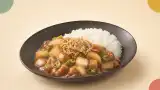
- Serve alongside grilled meat as a ssamjang alternative, or mix generously into rice—it makes an excellent, flavorful side dish that pairs perfectly with any meal.