Ttukdak Hyung's Melted Cheese Kimchi Nabe
A sentimental kimchi stew with visual appeal, layered with kimchi and pork belly, enhanced with udon soup and doenjang for a deep, rich broth.
Ingredients needed 2 servings
Recipe
Cooking tips
- Maintain a 1:1 ratio between kimchi and pork belly to achieve a perfect balance between the richness of the meat and the refreshing tang of the kimchi.
- Using the liquid base from store-bought udon noodle packets eliminates the need to make dashi separately, delivering the deep, savory umami characteristic of Japanese nabe dishes.
Recommended for
- Those looking for a visually impressive, delicious hot pot suitable for entertaining guests or creating Instagram-worthy photos.
- Anyone wanting to step beyond the usual kimchi stew and enjoy a Japanese-style nabe with a rich, sweet-salty depth of flavor.
Shop ingredients on Coupang(Ad)
How did it turn out when you followed this recipe?
Loading cooking feedback…
Cooked-it reviews
No reviews yet. Be the first to leave one.
You might also like
- Jang Ho-jun's Mille-feuille Sukiyaki Nabe
- Aha Bujang's Doenjang Broth Mille-Feuille Nabe
- Seungwoo Dad's Mille-feuille Nabe

- Kim Jin-soon's Fresh Udon Mille-feuille Nabe
- Seonkyoung Longest Mille-Feuille Nabe
- Kim Dae-seok's Mille-Feuille Nabe
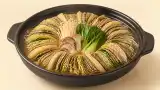
- Ttukdak Hyung's Mille-Feuille Nabe Made with Saengsaeng Udon

- Choi Kang-rok's Kimchi Nabe Donkatsu

- Solo Cooking God's Pork Kimchi Nabe

- Okjubu's Pork Cutlet Kimchi Nabe