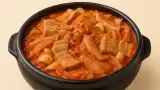
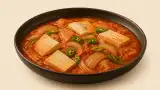
Ttukdak Hyung's Kimchi Jjigae
Finely blend grilled pork fat with onions and peppers in a blender for an extremely rich and hearty restaurant-style kimchi jjigae.
Ingredients needed 3 servings
Recipe
Cooking tips
- Raw pork fat is tough and difficult to blend with a home blender, so be sure to grill it until golden brown and soft in a frying pan before blending. This allows it to dissolve well into the jjigae.
- To clean the blender used for blending pork fat without damaging the blades, fill it halfway with water immediately after cooking, add dish soap and eggshells, and blend. This provides a polishing effect for a thorough cleaning.
- The key to achieving a thick and rich broth, unlike simply stir-frying with cooking oil, is the process of blending the pork fat itself into a sauce.
Recommended for
- Those tired of ordinary, light kimchi jjigae and want to make a truly deep and rich broth.
- Those who prefer thick stew dishes that maximize the savory flavor of pork fat.
- Those who want to prepare a hearty lunch with the perfect harmony of beef bone broth and pork fat base.
Shop ingredients on Coupang(Ad)
How did it turn out when you followed this recipe?
Loading cooking feedback…
Cooked-it reviews
No reviews yet. Be the first to leave one.
You might also like
- Solo Cooking God's Kimchi Jjigae
- Fabri's Kimchi-jjigae

- Baek Jong-won's Pork Kimchi Jjigae
- Aha Bujang's Daean Sikdang-Style Kimchi Jjigae

- Aha Bujang's Soybean Sprout Pork Kimchi Jjigae
- This Man's Cook's Ssamjang Kimchi Jjigae
- Ttukdak Hyung's Sadae-dong 180 Million Won Kimchi Jjigae
- This Man's Cook Sumi's Side Dish Pork Kimchi Stew
- Seonkyoung Longest's Pork Kimchi Jjigae
- Yoon Joomo's Pork Belly Kimchi Jjigae