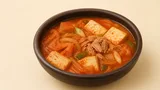
Ttukdak Hyung's Saemaeul Restaurant Style 7-Minute Kimchi Jjigae
Sautéed green onion oil and pork with kimchi and seasonings reduced to a thick consistency, perfect for mixing into rice—this is a quick 7-minute version of the beloved Saemaeul Restaurant-style kimchi jjigae.
Ingredients needed 2 servings
Recipe
Cooking tips
- Use pork cuts with some marbling like belly or shoulder for a richer, deeper broth flavor.
- For best results, serve the finished stew over rice, topped with a fried egg and sesame seeds, then mix everything together.
- If the broth lacks depth, add a small amount of dashi powder (about 1/2 tablespoon) to enhance umami.
- If pork is unavailable, substitute with canned tuna or spam. For extra spiciness, add green chili peppers.
Recommended for
- Those who want to recreate the rich kimchi jjigae from Saemaeul Restaurant at home in just a few minutes.
- People who prefer a thick, hearty kimchi jjigae that’s perfect for mixing into rice.
- Those looking to make a satisfying, flavorful meal using only pork and kimchi.
Shop ingredients on Coupang(Ad)
How did it turn out when you followed this recipe?
Loading cooking feedback…
Cooked-it reviews
No reviews yet. Be the first to leave one.
You might also like
- Lim Sung-geun's 7-Minute Kimchi Jjigae

- Aha Bujang's 7-Minute Kimchi Jjigae

- Aha Bujang's Daean Sikdang-Style Kimchi Jjigae

- Kim Dae-seok's Tuna Kimchi Jjigae
- Kim Jin-soon's Tuna Kimchi Stew

- Seonkyoung Longest's Tuna Kimchi Jjigae

- Kim Dae-seok's Canned Saury Kimchi Jjigae

- Baek Jong-won's Super Simple Kimchi Jjigae

- Baek Jong-won's Tuna Kimchi Stew

- Solo Cooking God's Richam Tuna Kimchi Jjigae