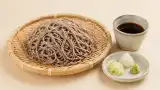
Ttukdak Hyung's Japanese-style Zaru Soba
A traditional Japanese soba recipe where buckwheat noodles are dipped into a sauce made by diluting store-bought tsuyu with ice water and adding sugar and hondashi for deep umami.
Ingredients needed 1 servings
Recipe
Cooking tips
- Tsuyu brands vary in saltiness and concentration, so always check the package for the recommended dilution ratio.
- If you don't have hondashi, a small amount of tuna extract can substitute to supplement the missing umami and richness.
- The grated daikon is essential for the refreshing and digestive qualities of soba, so never skip it.
Recommended for
- Those who want to enjoy a cool and clean noodle dish easily at home on a hot summer day.
- Those who want to recreate the taste of store-bought Japanese zaru soba at a very low cost.
- Those who want to enjoy soba with a richer flavor by adding deep umami to the existing tsuyu sauce.
Shop ingredients on Coupang(Ad)
How did it turn out when you followed this recipe?
Loading cooking feedback…
Cooked-it reviews
No reviews yet. Be the first to leave one.
You might also like
- Aha Bujang's Zaru Soba
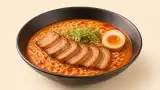
- Solo Cooking God Shin Ramen Japanese-Style Ramen
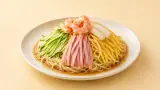
- Lee Yeon-bok's Japanese-style Cold Noodles (Hiyashi Chuka)
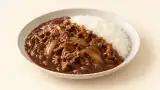
- Jung Ho-young's Japanese-style Curry Rice
- Aha Bujang's Japanese-Style Spicy Curry
- Kim Jin-soon's Japanese-style Pork Jowl Rice Bowl
- Kim Jin-soon's Japanese Egg Rice Bowl
- Seonkyoung Longest's Japanese-Style Teriyaki Chicken Fried Rice
- Sung Si-kyung's Japanese-Style Egg Mayo Sandwich
- Jung Ho-young's Japanese-style Hi-rice