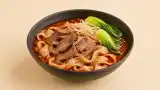
Seungwoo Dad's Sauerkraut
A sour and crunchy German-style fermented cabbage pickle made by naturally fermenting cabbage and salt for 5 days.
Ingredients needed 4 servings
Recipe
Cooking tips
- Since sauerkraut is a natural lactic acid fermentation, the most critical point is to sanitize tools and wear gloves to prevent harmful bacteria from entering.
- The liquid from the cabbage must completely cover the solids to block oxygen exposure, preventing mold or yeast from forming and ensuring proper fermentation.
Recommended for
- Those who want a clean side dish that pairs perfectly with heavy Western meat dishes like sausages, Schweinshaxe, or pastrami.
- Those who want to enjoy the deep, natural sourness of lactic acid fermentation rather than the sharp tang of artificial vinegar.
- Those who want to make a very economical and shelf-stable homemade pickle using just cabbage and salt.
How did it turn out when you followed this recipe?
Loading cooking feedback…
Cooked-it reviews
No reviews yet. Be the first to leave one.
You might also like
- Kim Dae-seok's Sauerkraut
- Striker Chef's Wasabi Sour Cream Salmon Endive Salad
- Seungwoo Dad's Stout Batter Fried Cod
- Striker Chef's Hanwoo Ribeye Steak with Truffle Shower Cream Sauce

- Kim Milan's Chicken Crown with Peperonata
- Sung Si-kyung's Pad Krapao

- Kim Ho-yoon's Okra and Small Dried Anchovy Pasta
- Fabri's Squid Crown Steak
- Maeil Matna Brownie Cheesecake

- Yeo Kyung-ok's Mala Beef Soup Noodles