Jung Ho-young's Roze Udon
A Korean-style roze udon featuring a spicy-sweet sauce based on gochujang, paired with smooth cream and the rich umami of myeongran jjeot.
Ingredients needed 1 servings
Recipe
Cooking tips
- Cream-based sauces with milk and heavy cream tend to boil over easily, so monitor the pan closely and adjust the heat as needed during cooking.
- For better flavor and texture, add myeongran jjeot as a topping at the end rather than boiling it into the sauce from the start.
- You can substitute or mix in other noodles like chapssaltang, kalguksu, or tteok from tteokbokki for a fun variation.
Recommended for
- Those who enjoy a non-greasy, spicy-sweet Korean-style roze sauce.
- People curious about a simple, unique noodle recipe from a dedicated udon chef.
Shop ingredients on Coupang(Ad)
Did you cook this?
How did it turn out when you followed this recipe?
Your cooking experience helps everyone find recipes they can trust.
Loading cooking feedback…
You might also like
- Ttukdak Hyung's Rose Mala Tangmyeon
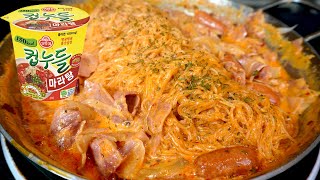
- Solo Cooking God's Milk Gochujang Rosé Shin Ramyeon

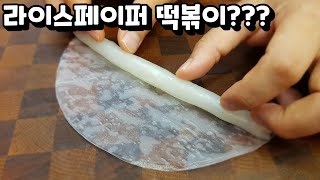
- This Man's Cook Rice Paper Roze Tteokbokki
- Aha Bujang's Milk Cream Rosé Tteokbokki
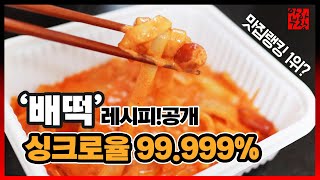
- Aha Bujang's Rosé Tteokbokki

- Solo Cooking God's Roze Spicy Chicken Ramen

- Ttukdak Hyung's Spicy Seafood Cream Udon

- Lee Hye-jung's Rosé Tteokbokki

- Maeil Matna Shrimp Rosé Pasta
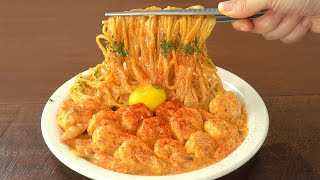
- Seungwoo Dad's Imitation Crab Rose Pasta
