Solo Cooking God's Jeyuk Bokkeummyeon
A unique noodle dish made by stir-frying sweet and spicy pork with savory udon noodles.
Ingredients needed 1 servings
Recipe
Cooking tips
- If using fatty cuts like pork belly, reduce the amount of cooking oil in the pan.
- If you don't have oyster sauce, you can substitute 1 tablespoon of soy sauce for a similar savory depth.
- If you can't soak the udon noodles in hot water beforehand, you can add the water, cover with a lid, and let the steam loosen the noodles for convenience.
Recommended for
- Those looking to enjoy a different kind of noodle dish instead of the usual spicy stir-fried pork.
- Those who want a spicy and hearty one-bowl meal for dining alone or as a late-night snack.
Shop ingredients on Coupang(Ad)
Did you cook this?
How did it turn out when you followed this recipe?
Your cooking experience helps everyone find recipes they can trust.
Loading cooking feedback…
You might also like
- Park Eun-young's Egg Noodle Twice-Cooked Pork Stir-Fry

- Seungwoo Dad's Usamgyeop Jeyuk Bokkeum

- School Chef's Jeyuk Bokkeum
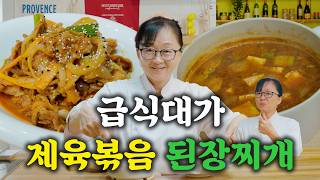
- Solo Cooking God Smoky Grilled Pork Stir-Fry

- School Chef's Daepae Samgyeopsal Jeyuk Bokkeum

- Kim Ho-yoon's Driver's Restaurant Spicy Stir-Fried Pork

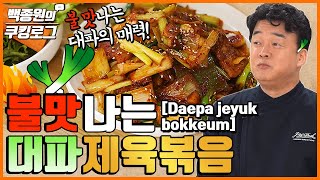
- Baek Jong-won's Scallion Pork Stir-fry
- Shin Dong-min's Gochugaru Jeyuk Bokkeum

- Imokase's Jeyuk Bokkeum

- Kim Dae-seok's Jeyuk Bokkeum
