Solo Cooking God Hong Kong-Style Tomato Hangover Ramen
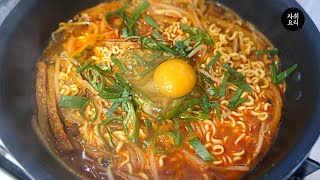
A Hong Kong-style hangover ramen that replaces tomato with a combination of ketchup, anchovy sauce, and vinegar for a sweet-and-sour depth of umami flavor.
Ingredients needed 1 servings
Recipe
Cooking tips
- Even without real tomatoes, ketchup delivers the signature sweet-and-sour umami flavor that blends perfectly into the broth.
- Add vinegar just before turning off the heat or at the very end to preserve its fresh tanginess and clean aroma.
- Removing the noodles first before adding the egg prevents the noodles from overcooking and ensures a neater, more attractive egg shape.
Recommended for
- Those looking to try something unique and creative instead of regular ramen.
- People seeking an unusual hangover meal that’s smooth on the stomach yet bold and tangy.
Shop ingredients on Coupang(Ad)
Did you cook this?
How did it turn out when you followed this recipe?
Your cooking experience helps everyone find recipes they can trust.
Loading cooking feedback…
You might also like
- Aha Bujang's Tomato Chili Hangover Cup Ramyun

- Ttukdak Hyung's School Lunch Tomato Spaghetti

- Aha Bujang's Kimchi Soybean Sprout Hangover Ramyun

- Ttukdak Hyung's Kongnamul Tteok Haejang Ramyeon

- Solo Cooking God's Ultimate Hangover Ramen
- Baek Jong-won's Hwangtae Haejang Ramen

- This Man's Cook's Bean Sprout Hangover Ramen
- This Man's Cook Cool and Spicy Dried Squid Kimchi Hangover Ramen

- Sung Si-kyung's Thinly Sliced Pork Belly Hangover Ramyun

- YOOXICMAN American Home-Style Tomato Meatballs
