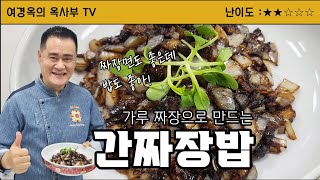
Yeo Kyung-ok's Super Simple Ganjjajang
Using jjajang powder instead of chunjang, it is stir-fried with only onion moisture without water to bring out deep wok flavor, a master's super simple ganjjajang.
Ingredients needed 2 servings
Recipe
Cooking tips
- You must thoroughly stir-fry the pork belly to render enough oil to properly bring out the deep, rich savoriness typical of Chinese cuisine.
- Not adding a single drop of water and stir-frying only with the onion's own moisture and meat oil is the key point that distinguishes ganjjajang from watery jjajang.
- If you add the jjajang powder all at once, it may clump due to lack of moisture, so sprinkle it in little by little as you stir-fry.
Recommended for
- Those who want to experience the flavor of professional Chinese restaurant jjajang without fail at home.
- Cooking beginners who found the complicated process of deep-frying chunjang in oil troublesome.
Shop ingredients on Coupang(Ad)
Did you cook this?
How did it turn out when you followed this recipe?
Your cooking experience helps everyone find recipes they can trust.
Loading cooking feedback…
You might also like
- Aha Bujang's Super Simple Soy Sauce Marinated Shrimp

- Kim Dae-seok Chef's Super Simple Soy Sauce Noodles

- Solo Cooking God Simple Egg Jajang Rice

- Ttukdak Hyung's Rice Cooker Super Simple Jjajang

- Yeo Kyung-ok's Powder Jajang Jajangbap
- Ttukdak Hyung's Ganjjajang

- Solo Cooking God's Jajang Fried Rice
- Aha Bujang's Ganjjajang

- Seonkyoung Longest's Gan-jjajang

- Yeo Kyung-ok's Gan Jajangmyeon
