This Man's Cook Pa Kimchi Kimchi Jjigae
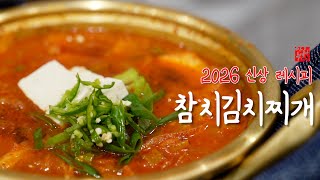
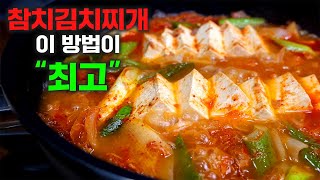
A kimchi stew that maximizes refreshing, sweet-savory umami by using fully fermented pa kimchi on a base of stir-fried fresh kimchi and pork
Ingredients needed 4 servings
Recipe
Cooking tips
- Avoid leaving excess kimchi seasoning or cabbage in the mix, as it can make the broth heavy or give it an off smell—gently brush off the outer layer before use.
- Cooking pork and kimchi together from the start prevents the pork from becoming tough and keeps it tender while allowing the kimchi to absorb the pork’s rich flavor.
- Use only fully fermented, tangy pa kimchi to ensure the stew achieves its signature refreshing, sweet-savory umami.
Recommended for
- Those seeking a special kimchi jjigae recipe with deep, refreshing flavor.
- Those with an abundance of overly fermented pa kimchi left in their fridge.
- Those who want to enhance stew flavor using natural ingredients instead of artificial seasonings.
Shop ingredients on Coupang(Ad)
Did you cook this?
How did it turn out when you followed this recipe?
Your cooking experience helps everyone find recipes they can trust.
Loading cooking feedback…
You might also like
- This Man's Cook Gochujang Tuna Kimchi Jjigae

- Sung Si Kyung's Tuna Kimchi Jjigae

- Jung Ho-young's Fresh Tuna Kimchi Jjigae

- This Man's Cook Gombchi Kimchi Jjigae

- Aha Bujang's Tuna Kimchi Jjigae
- Seonkyoung Longest's Tuna Kimchi Jjigae

- Kim Dae-seok's Canned Saury Kimchi Jjigae

- Kim Dae-seok's Tuna Kimchi Jjigae
- Sung Si-kyung's Saury Kimchi Jjigae

- Kim Ho-yoon's Sundubu Tuna Kimchi Jjigae
