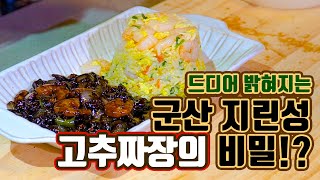
Solo Cooking God's Doen-jjajang Udon
A single-serving gan-jjajang udon that amazingly recreates the taste of jjajang using home doenjang fried in oil instead of chunjang or instant 3-minute jjajang.
Ingredients needed 1 servings
Recipe
Cooking tips
- Fry the doenjang thoroughly in oil first; this transforms the characteristic savory soybean flavor into a taste similar to jjajang chunjang.
- If you want a stronger umami like store-bought, add a tiny bit of MSG at the end.
- If you've boiled the noodles separately, you can simply mix them with the finished jjajang sauce without adding water.
Recommended for
- Those who don't have chunjang at home but want to quickly create a sweet and salty gan-jjajang flavor.
- Those who want to enjoy a Chinese-style noodle dish at home alone, without delivery fees.
Shop ingredients on Coupang(Ad)
Did you cook this?
How did it turn out when you followed this recipe?
Your cooking experience helps everyone find recipes they can trust.
Loading cooking feedback…
You might also like
- Solo Cooking God's Tonkatsu Yukgaejang Udon

- Lee Hye-jung's Clam Doenjang Udon

- Solo Cooking God's Soy Sauce Udon with Thinly Sliced Pork Belly

- Yeo Kyung-ok's Gyeongjang Wuyu Sa

- Yeo Kyung-rae's Doubanjiang Yellow Croaker Steamed

- Striker Chef's Salmon Ssamjang Bibim Udon

- Ttukdak Hyung's Fiery Gan-jjajang

- Ttukdak Hyung's Jajangmyeon-Flavored Chapaghetti

- Park Eun-young's Tray Jajang Ramen

- Aha Bujang's Spicy Chili Jjajang