Jung Ho-young's Anago Tempura Don
A professional-style tempura rice bowl topped with crispy-on-the-outside, juicy-on-the-inside deep-sea eel fritter
Ingredients needed 2 servings
Recipe
Cooking tips
- Using ice water, carbonated water, or flat beer in the batter suppresses gluten formation, resulting in significantly crispier results.
- Removing the fritters from the oil, letting them briefly contact air, and returning them to the oil helps achieve a crisp texture without double-frying.
Recommended for
- Those who want to try making a high-end, restaurant-style Japanese tempura rice bowl at home.
- Those who enjoy properly prepared eel dishes with a crisp exterior and soft, tender interior.
Shop ingredients on Coupang(Ad)
Did you cook this?
How did it turn out when you followed this recipe?
Your cooking experience helps everyone find recipes they can trust.
Loading cooking feedback…
You might also like
- Jung Ho-young's King Shrimp Tempura Donburi

- Jung Ho-gyun's Aralia Shoot and Mushroom Tendon
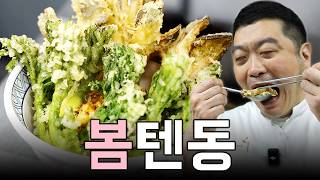
- Ttukdak Hyung's Super Simple Tempura Don

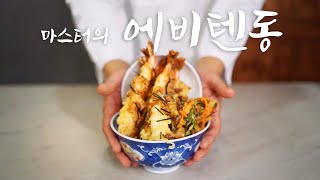
- Shin Dong-min's Ebiten Don
- Kim Milan's Traditional Parmigiana Risotto

- YOOXICMAN's Nagoya-Style Miso Oden

- Kim Milan's Amatriciana

- Sam Kim's Amatriciana Pasta

- Ttukdak Hyung's Tortilla Nachos with Cheese Sauce

- Sung Si-kyung's Mapo Tofu Rice Bowl