This Man's Cook Perilla Seed Oil Bibimbap Milksnake Noodles
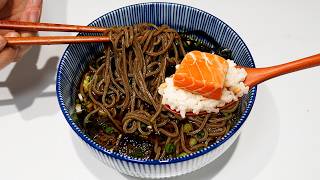
A delicious buckwheat noodle dish featuring a rich, nutty perilla seed oil base seasoned with soy sauce and tuna sauce, topped with fragrant garnishes for a savory depth of flavor.
Ingredients needed 1 servings
Recipe
Cooking tips
- Make sure to fully dissolve the sugar in the soy sauce mixture so that when tossing the noodles, there’s no graininess or lingering sweetness on the tongue.
- Using seasoned seaweed instead of regular roasted or fresh seaweed adds a richer, saltier, and more savory depth to the dish, enhancing the overall balance of flavor.
- If buckwheat noodles aren’t available, you can substitute with regular thin or medium wheat noodles, preparing them the same way—this works perfectly well.
Recommended for
- When you want a cool, rich, and satisfying noodle dish without complicated cooking during hot summer days.
- For buckwheat noodle enthusiasts who love the deep aroma of perilla seed oil paired with the smooth richness of egg yolk.
Shop ingredients on Coupang(Ad)
Did you cook this?
How did it turn out when you followed this recipe?
Your cooking experience helps everyone find recipes they can trust.
Loading cooking feedback…
You might also like
- Sung Si-kyung's Tsuyu Perilla Oil Bibim Guksu

- Jung Ho-young's Mackerel Roe Cucumber Sesame Oil Bibimbap Noodles

- Ttukdak Hyung's Sesame Oil Makguksu and Bibim Guksu

- Aha Bujang's Bibim Makguksu

- Aha Bujang's Cheonseori Bibim Makguksu

- Solo Cooking God's Perilla Oil Makguksu
- Solo Cooking God Spring Onion Perilla Oil Makguksu

- Striker Chef's Sea Urchin Perilla Oil Bibimmyeon

- Lee Yeon-bok's Peanut Butter Sesame Oil Bibim Millet Noodles

- Lee Hye-jung's Buckwheat Perilla Oil Makguksu
